
Difficulty
Moderate to challenging
The Ultimate Amazon Adventure
Embark on the ultimate 13-day, 12-night Birding & Photography Experience in Manu National Park, a journey designed to maximize your encounters with the inc...
Difficulty
Moderate to challenging
Accommodation
Lodge & Eco-lodge
Max Altitude
3,500 m / 11,480 ft
Group Size
2 – 8 People
Embark on the ultimate 13-day, 12-night Birding & Photography Experience in Manu National Park, a journey designed to maximize your encounters with the incredible avian diversity of Peru. This extensive tour covers a vast altitudinal range, from the high Andes to the deep Amazonian lowlands, including the renowned Restricted Zone. You’ll visit prime birding hotspots, specialized photography hides, and pristine ecosystems, offering unparalleled opportunities to observe and photograph a remarkable array of species, from majestic Andean Condors to vibrant macaws and elusive jungle inhabitants.
This is an unparalleled immersion for serious birders and photographers seeking an in-depth exploration of Manu’s natural wonders.
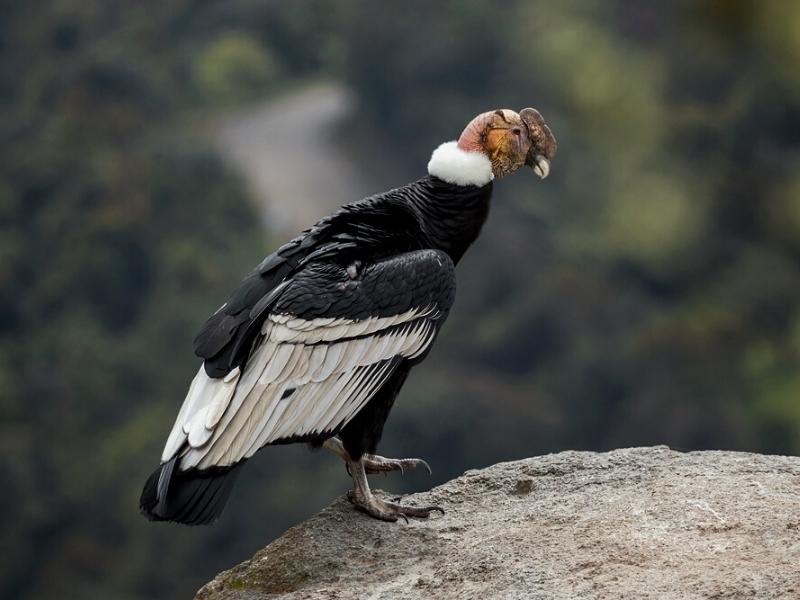
Check availability →We depart early from Cusco towards the Chonta Canyon, famous for being one of the best places to observe the majestic Andean Condor (Vultur gryphus) in flight. We'll also be able to observe high Andean birds such as the Andean Flicker (Colaptes rupicola), Rusty-fronted Canastero (Asthenes dorbignyi), and the Variable Hawk (Geranoaetus polyosoma). Afterward, we continue to Limatambo, where we'll spend the night surrounded by nature. Overnight in Limatambo.
Today, we fully immerse ourselves in the richness of the high montane forest. Very early, we set out to explore the trails around the biological station, surrounded by a misty environment of mosses and trees covered in epiphytes. Here, the priority is to search for and photograph specialized species in this unique Andean habitat. With patience, we search for the elusive Red-and-White Antpitta, which usually sings at dawn. We walk along well-maintained trails, where the Grey-breasted Mountain Toucan, Collared Jay, and Mountain Cacique may also appear. Forest edges are excellent for spotting Andean Guan, Marcapata Spinetail (endemic), Crimson-mantled Woodpecker, and White-throated Tyrannulet. The diversity of hummingbirds is also notable, with species such as Chestnut-breasted Coronet, Amethyst-throated Sunangel, Purple-backed Thornbill, and Scaled Metaltail visiting wildflowers and resting areas. During the afternoon, we continue exploring new routes within the station, attentive to mixed flocks and difficult birds like the Ochraceous-breasted Flycatcher, Barred Fruiteater, and White-throated Antpitta. This is one of the best sites to observe understory birds in their natural habitat, away from busy roads. We close the day with an optional sunset walk in search of crepuscular species like the Swallow-tailed Nightjar.
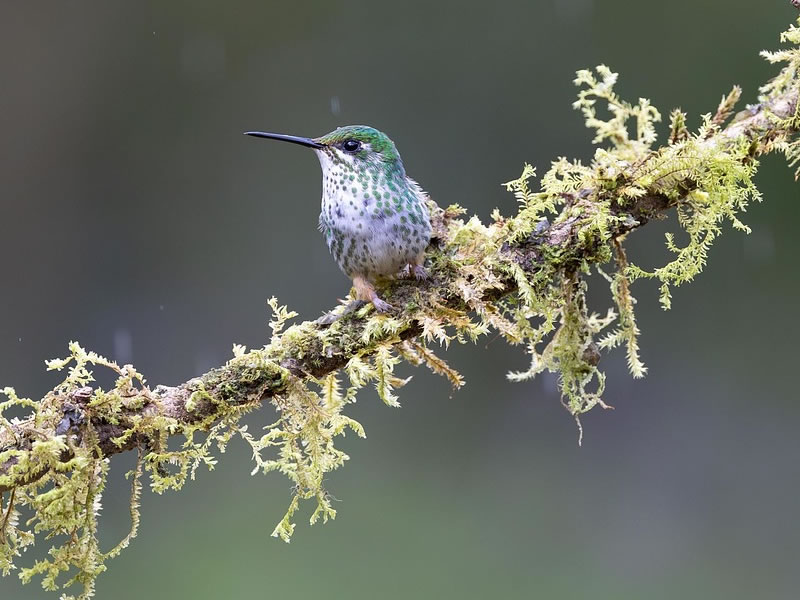
We take a scenic route from Limatambo towards San Salvador, where we will visit a hummingbird observation center that hosts species like the Long-tailed Sylph (Lesbia nuna), White-bellied Emerald (Amazilia chionogaster), and the Black-tailed Trainbearer (Sappho sparganura). We then ascend towards the Acjanaco Pass (3,560 m / 11,680 ft), the gateway to Manu National Park. During the journey, we will make strategic stops to observe Andean and transitional birds such as the Violet-throated Metaltail (Metallura baroni), Andean Tit-Spinetail (Leptasthenura andicola), and the Junín Canastero (Asthenes virgata). Upon arrival at Wayqecha, we'll enjoy observation walks in the afternoon. Overnight at Wayqecha Biological Station.
Today is a full day of exploring the trails of Wayqecha, searching for species like the Grey-breasted Mountain Toucan (Andigena hypoglauca), Black-faced Antpitta (Grallaria milleri), Orange-throated Tanager (Tangara schrankii), and the Ruby-crowned Kinglet (Regulus calendula). We might also observe the elusive Andean Nighthawk (Caprimulgus longirostris) in the early morning or at dusk. Overnight at Wayqecha Biological Station.
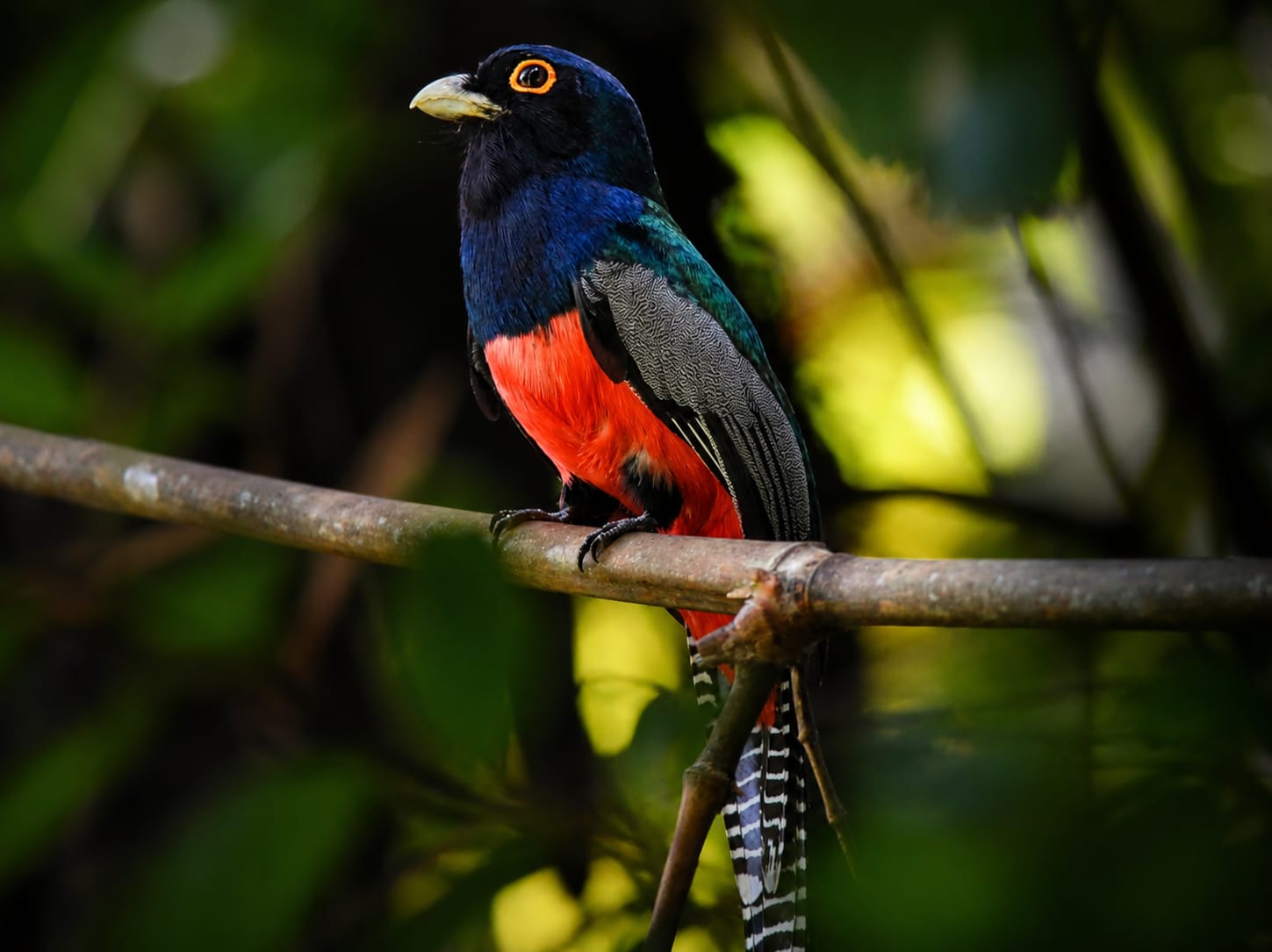
We descend into the cloud forest, an ideal habitat for the Crested Quetzal (Pharomachrus antisianus), Masked Trogon (Trogon personatus), and a wide variety of tanagers such as the Paradise Tanager (Tangara rufiventris). We'll make a special stop at a hummingbird observation point: Marvelous Spatuletail (Loddigesia mirabilis), Orange-throated Sunangel (Boissonneaua matthewsii), and more. Overnight at Cock of the Rock Lodge.
Very early, we visit the lek of the Andean Cock-of-the-Rock (Rupicola peruvianus). Afterward, we explore cloud forest trails in search of the Rufous-capped Antpitta (Grallaricula peruviana), Inca Wren (Pheugopedius eisenmanni), Emerald Tanager (Tangara florida), and the elusive Horned Guan (Pauxi unicornis). Overnight at Cock of the Rock Lodge.
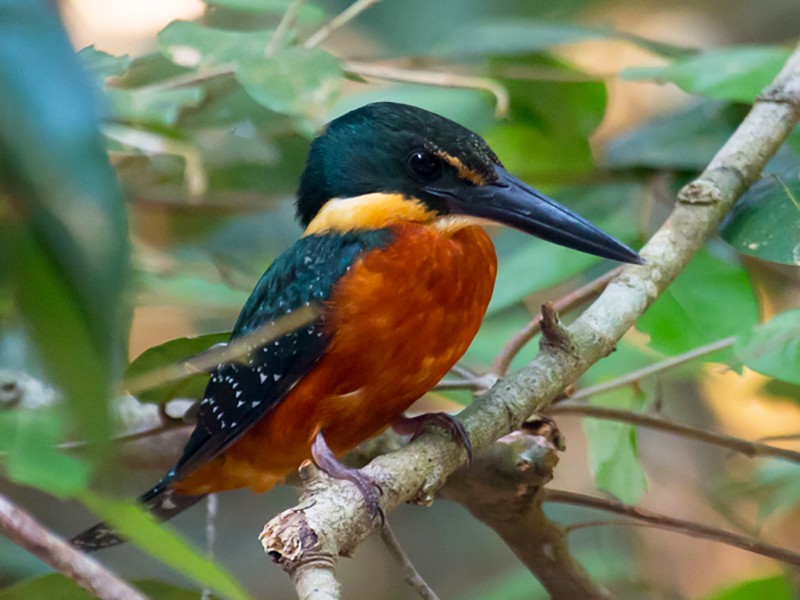
We travel by land to Atalaya with stops for observing birds of the cloud forest edge and bamboo habitats like the White-browed Antbird (Myrmelastes leucostictus) and the endemic Manu Spinetail (Synallaxis manuensis). We then navigate the Madre de Dios River to Bonanza. Possible sightings include: Amazon Kingfisher, Rufescent Tiger-Heron, and Scarlet Macaw (Ara macao). Overnight at Bonanza Ecolodge.
We take specialized walks through the primary forest: searching for the Blue Cotinga (Cotinga nattererii), Scaly-backed Antbird (Myrmeciza squamosa), and House Wren (Cantorchilus leucotis). In the evening, we visit a mammal clay lick, a place frequented by tapirs, peccaries, and other nocturnal mammals. Overnight at the mammal clay lick hide.
From the observation tower, we look for canopy birds such as the Toco Toucan (Ramphastos toco), Crested Eagle (Morphnus guianensis), and the Snowy Cotinga (Carpodectes hopkei). We'll also take walks through the understory to see the Black-headed Antbird (Percnostola rufifrons) and mixed flocks. Overnight at Bonanza Ecolodge.
We navigate towards the Restricted Zone of Manu National Park. We observe riparian and aquatic birds such as the Jabiru (Jabiru mycteria), Wood Stork (Mycteria americana), and raptors like the Snail Kite (Rostrhamus sociabilis). Overnight at Casa Matsiguenka.
We explore oxbow lakes by catamaran: looking for Hoatzins (Opisthocomus hoazin), Agami Heron (Agamia agami), Boat-billed Heron (Cochlearius cochlearius), and Pygmy Kingfisher (Chloroceryle aenea). We'll climb an observation tower with views of the canopy: possible sightings of Royal Flycatcher (Onychorhynchus coronatus) and Harpy Eagle (Harpia harpyja). Overnight at Casa Matsiguenka.
We navigate towards Blanquillo. Opportunities to observe the Maguari Stork (Ciconia maguari), Black-crowned Night Heron (Nycticorax nycticorax), King Vulture (Sarcoramphus papa), and various riverside species. Possible stop to observe mixed flocks in riparian gallery forest. Overnight at Blanquillo Lodge.
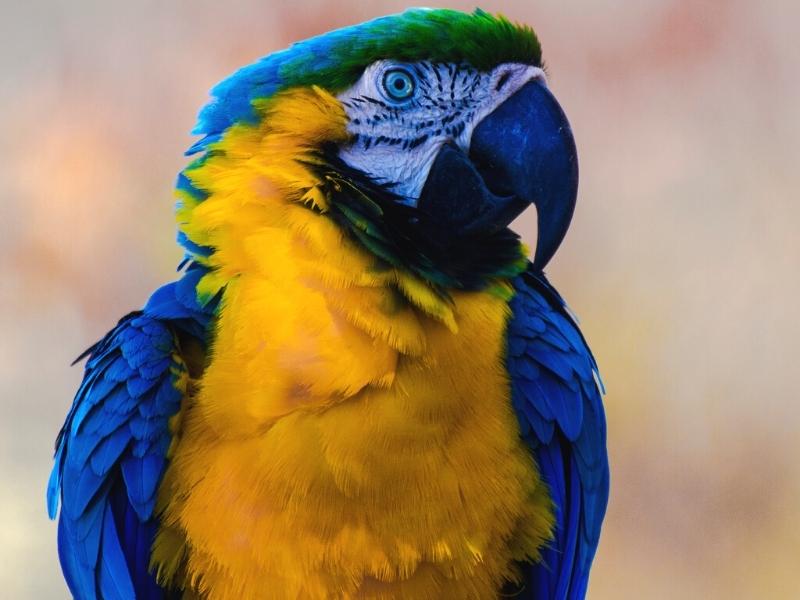
We visit the world-famous Blanquillo Macaw Clay Lick: observing Blue-and-yellow Macaw (Ara ararauna), Red-and-green Macaw (Ara chloropterus), White-winged Parakeet (Brotogeris versicolurus). In the afternoon, we take walks to observe antbirds, becards, and other understory birds. Overnight at Blanquillo Lodge.
We begin our return by boat towards Boca Colorado and travel by land to Puerto Maldonado or Cusco, depending on your itinerary. This offers final opportunities to observe riverside species and review your birding checklist.
 Bird Watching
5 Days / 4 Nights
Bird Watching
5 Days / 4 Nights
Capture the vibrant essence of the Amazon on this 5-day, 4-night Manu Photo Tour. Designed for natur...
 Bird Watching
7 Days / 6 Nights
Bird Watching
7 Days / 6 Nights
Embark on an unparalleled 7-day, 6-night Birding & Photography Experience in Manu National Park, a d...
Share your dates — Evelyn will confirm availability and send a tailored quote.